Diesel and no-start work
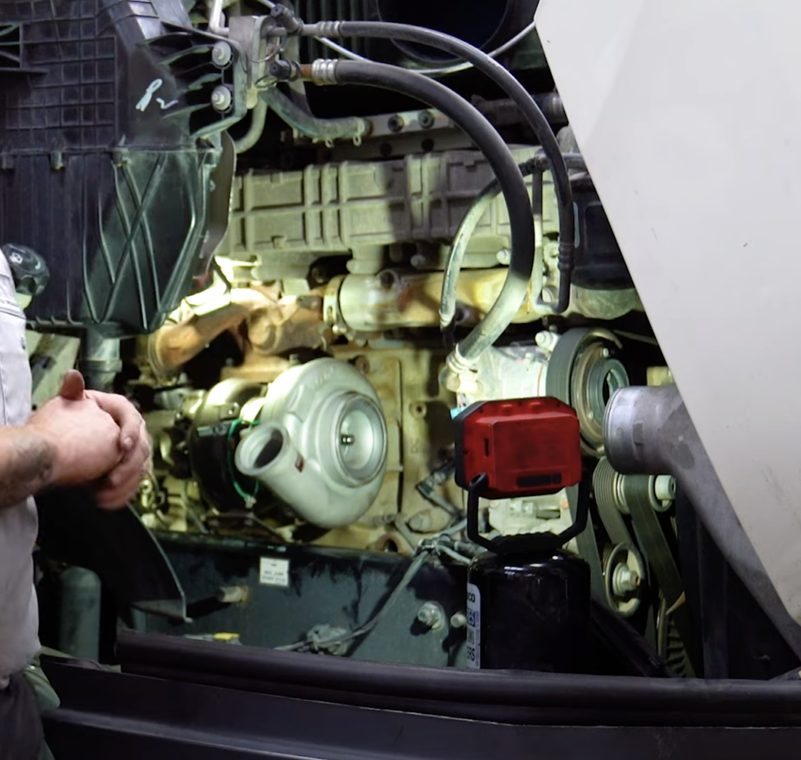
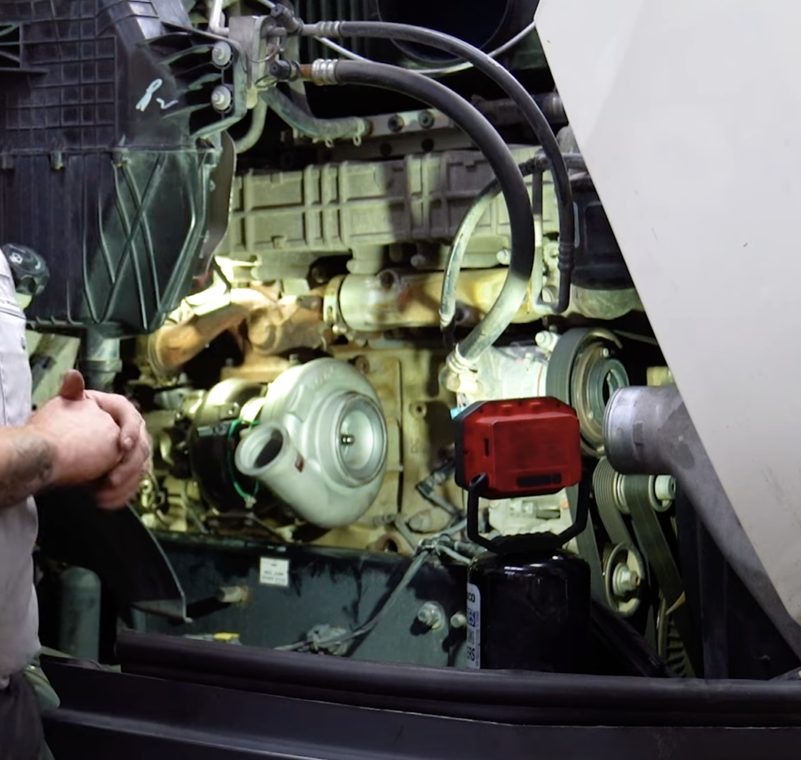
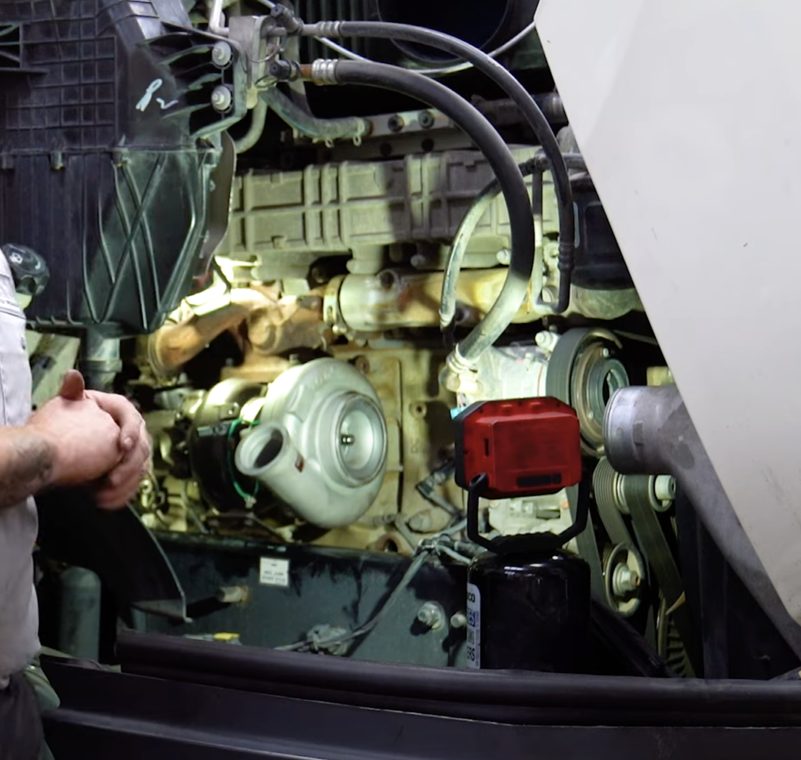
Scan, test, verdict, repair. Fault lights and dead cranks handled where the truck sits.
Nashville is where three interstates meet, tangle, and hand their breakdowns to somebody. A truck that quits on the inner loop at rush hour, or in a La Vergne distribution yard with a dock door waiting, needs help that travels. Nashville Mobile Truck And Trailer Repair sends the technician to the truck with the parts the symptoms suggested and a verdict you can plan around.
Diesel, brakes and air, trailer work, tires, electrical, and fleet maintenance on a schedule. The phone answers like a freight town's phone should.
Scan, test, verdict, repair. Fault lights and dead cranks handled where the truck sits.
Leak chases, chamber and valve replacement, adjustment to spec. Loop traffic is a brake diet and we account for it.
Lights, plugs, air, doors, landing gear, at the dock or the drop yard.
Load tested, properly diagnosed, and replaced only when the numbers convict. Cables and grounds get checked first.
Blowout changeouts, repairs where casings allow, torque and mate checks standard.
Yard maintenance rounds timed to your shipping calendar and both weather seasons.
The southeast corridor's distribution fleets run appointment freight on equipment that cannot idle in a shop queue. Standing accounts get yard rounds on schedule, unit histories, and pattern-flagging when a truck starts repeating itself. Owner-operators get the identical honesty: what it is, what it costs, whether it fixes here.
Every call closes with a decision dispatch can use: rolling, watch-listed, or bay-bound with paper. That is the product. The wrenches are just how it gets made.
Nashville freight lives on a wheel: the downtown loop at the hub, I-40 east and west, I-24 cutting diagonal, I-65 running north-south, and Briley Parkway catching what the loop cannot. The distribution mass sits southeast, La Vergne and Smyrna toward Murfreesboro, with more stacking up along I-65 south and the river terminals north. We run the whole wheel daily.
Music City traffic is a mechanical factor: the loop at 5 p.m. turns a simple shoulder call into a safety operation, and we plan those calls accordingly. Sometimes the right answer is two exits of careful limping to a survivable lot, and we will talk you through exactly that when it is.
The intake stays short: the failure, the spot, the cargo, and whether the rig can creep without damage. The output is a probable cause, an honest on-site-or-shop call, and an arrival window quoted against actual Nashville traffic patterns, which we know by hour and by mercy level.
Summer adds heat questions and January adds ice ones, because Middle Tennessee insists on both. Either way the parts that ride out match the season and the story.
That corridor is our densest territory. Call with the park and building and you get a window based on where our truck is right now, not a hopeful guess.
Get it as far out of traffic as safety allows, hazards on, and call immediately. If the spot is workable we work it; if not, we help arrange the short move. The loop at rush hour decides for everyone.
Every one Tennessee throws. Fleet lists get cleared worst-first, route order respected, and the November winterization customers watch it all from a warm cab.
If it is truck-based and road-legal, yes: dumps, mixers on the truck side, contractor rigs, and the trailers behind them. Describe it on the phone and the yes or the no comes without hedging.
Quoted before rolling, folded into the repair when the job proceeds, and stated plainly if the phone triage already says shop. Ambush invoices are how you lose a freight town's trust, so we do not write them.
The wheel turns seven days here. Same triage after dark, same honesty, lighter traffic.
Us, with the load temp and setpoint leading the conversation. Cold-chain calls jump the queue, and the first move protects the cargo while the second one fixes the unit. The order matters and we keep it.
Yes, and the calendar makes it easy to plan. A yard afternoon covering brake stroke, lights, tires, and air leaks ahead of inspection season costs less than one out-of-service order on I-40, a comparison every safety manager here has already run.
Get eyes on the rig, read the dash, take the photo. Then:
The climate here runs both playbooks. Summers cook batteries and tires like the Gulf South, then January delivers an ice storm that turns the whole metro into a no-start convention. We stock for the whiplash, and our fleet customers winterize in November and heat-check in May, both on our nagging.
Growth is the other local force: construction freight everywhere, new distribution boxes opening monthly, and routes that change while you drive them. Mobile repair fits a market moving this fast precisely because it does not ask the truck to find anything. The truck sits still, and everything it needs arrives.
Nashville's calendar bends its roads: stadium nights, downtown festivals, and the convention surges that turn the loop into a parking lot with opinions. We track that calendar because repair windows have to survive it. On event days we route around the pressure zones and quote accordingly, and when the smartest plan is a two-hour delay to miss the surge, you hear that math up front. A window you can trust beats a window that flatters.
Dispatchers who run event-day freight keep our number next to the venue schedule, which tells you everything about how this city actually works.
Every month this metro adds docks faster than it adds truck bays, which quietly lengthens every shop queue in the region. Mobile service is the pressure valve: the routine failures that would otherwise occupy a bay for a day get closed out in yards and lots, and the bays keep their space for the work that genuinely needs them. Fleets that route their small repairs to us are, in effect, buying queue insurance for their big ones.
Nashville's river freight and the industrial parks north of downtown run older equipment on harder duty than the shiny southeast corridor, and they get the same service without the attitude. Yard mules, dump fleets, and the mixed bags of small carriers are steady work for us. If it has air brakes and a job to do, it qualifies.
Middle Tennessee distribution runs on dock appointments that reschedule into next week if you miss them badly. That is the real cost of a shop queue: not the repair, the reshuffle. Mobile service exists to keep small failures small. The trailer with dead markers gets fixed at the dock and keeps its slot. The tractor with a slow air leak gets the fitting swapped in the yard and makes its window. Boring outcomes, protected schedules, which is the whole point of the trade.
Save the number before you need it. The metro is growing faster than its shoulders and shops are, and the drivers who plan for that reality lose hours where everyone else loses days. One saved contact and a photo of your dash is the cheapest insurance this corridor sells.
Where the truck sits, what it is doing, what it is hauling. Verdict, window, technician moving. That is the entire machine.